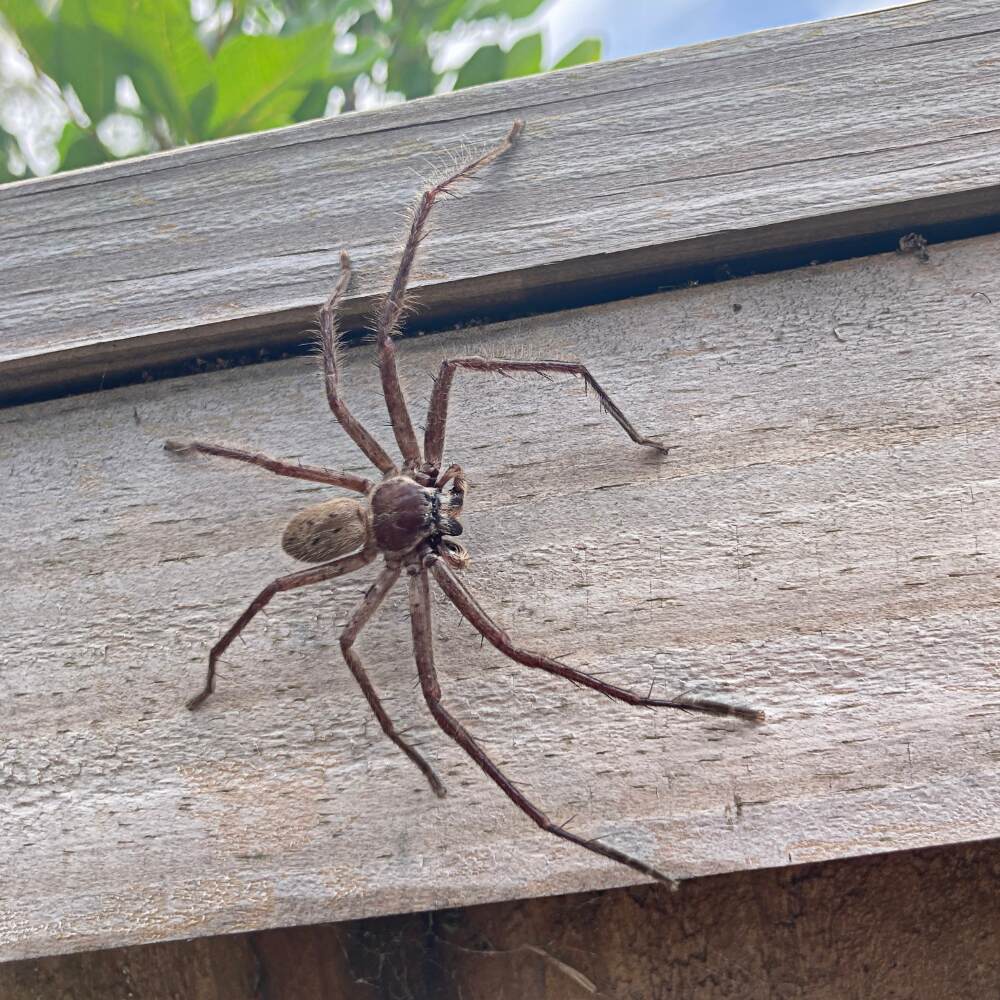
Australian Spiders – Everything You Need to Know
Spiders are a common part of Australia’s natural environment and are frequently found in and around homes across the Central Coast. The region’s warm climate, coastal vegetation, bushland, and suburban gardens create ideal conditions for a wide range of native spider species. As temperatures rise during spring and summer, spider activity typically increases, making encounters around homes, sheds, and outdoor areas more common.
While many Australian spiders are harmless and play an important role in controlling other insects, some species found in New South Wales have venom that can cause health concerns. Homes with children, pets, or vulnerable residents may be at greater risk, particularly when spiders are nesting in gardens, garages, roof voids, or damp, sheltered areas around the property. Even spiders that pose little medical risk can become a nuisance when webs, egg sacs, and frequent sightings begin to impact everyday living.
Professional spider control helps reduce spider populations, remove webs and harbourage areas, and prevent re-infestations without the need for constant DIY spraying or uncertainty around identification.
Enquire Now
Why Spiders Enter your Home
Spiders usually enter homes in search of food, shelter, or stable temperatures. Properties on the Central Coast often provide ideal conditions, particularly those close to bushland, gardens, or coastal vegetation.
Common reasons spiders move indoors include:
- An abundance of insects to feed on
- Warm, sheltered spaces such as roof voids, garages, and sheds
- Moist areas like bathrooms, laundries, and subfloors
- Clutter, stored items, or unused corners that provide hiding spots
Once spiders settle in, they often establish webs and egg sacs in undisturbed areas, allowing populations to slowly build over time.
Common Spiders on the Central Coast
The Central Coast’s warm climate and mix of bushland, gardens, and homes make it home to a variety of spider species. While most are not aggressive, some can deliver medically significant bites, and frequent sightings can be concerning.
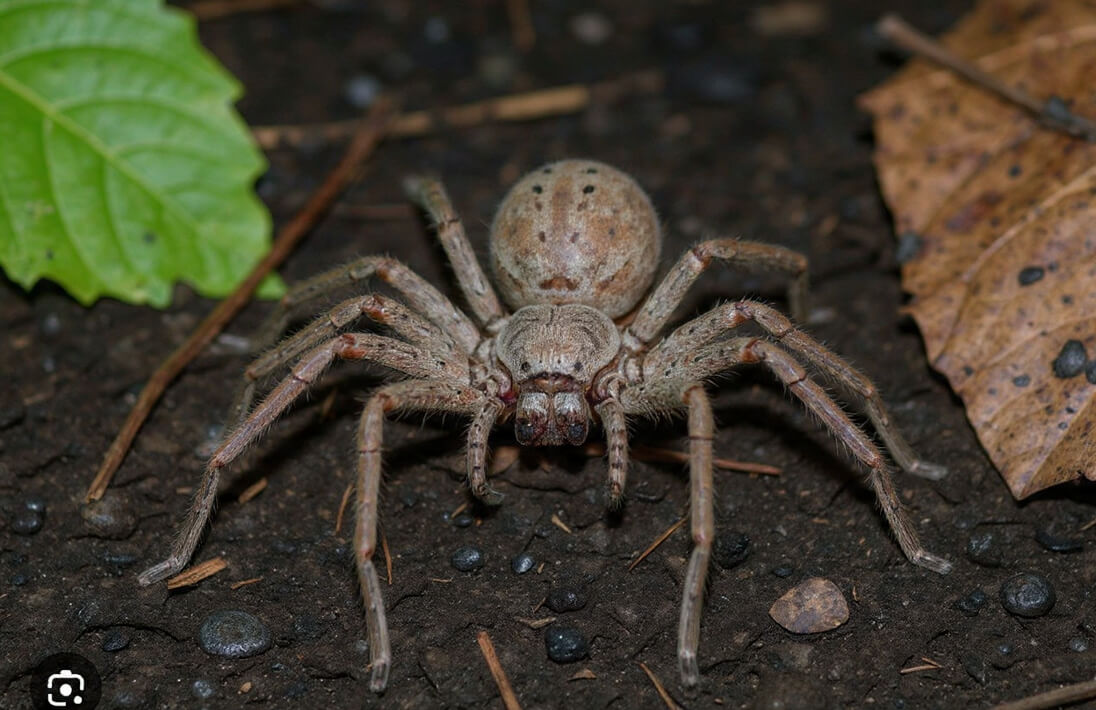
Huntsman spiders
Large and fast-moving, huntsman spiders are often found inside homes, garages, and vehicles. While their size can be alarming, they are generally harmless and help control other insects.
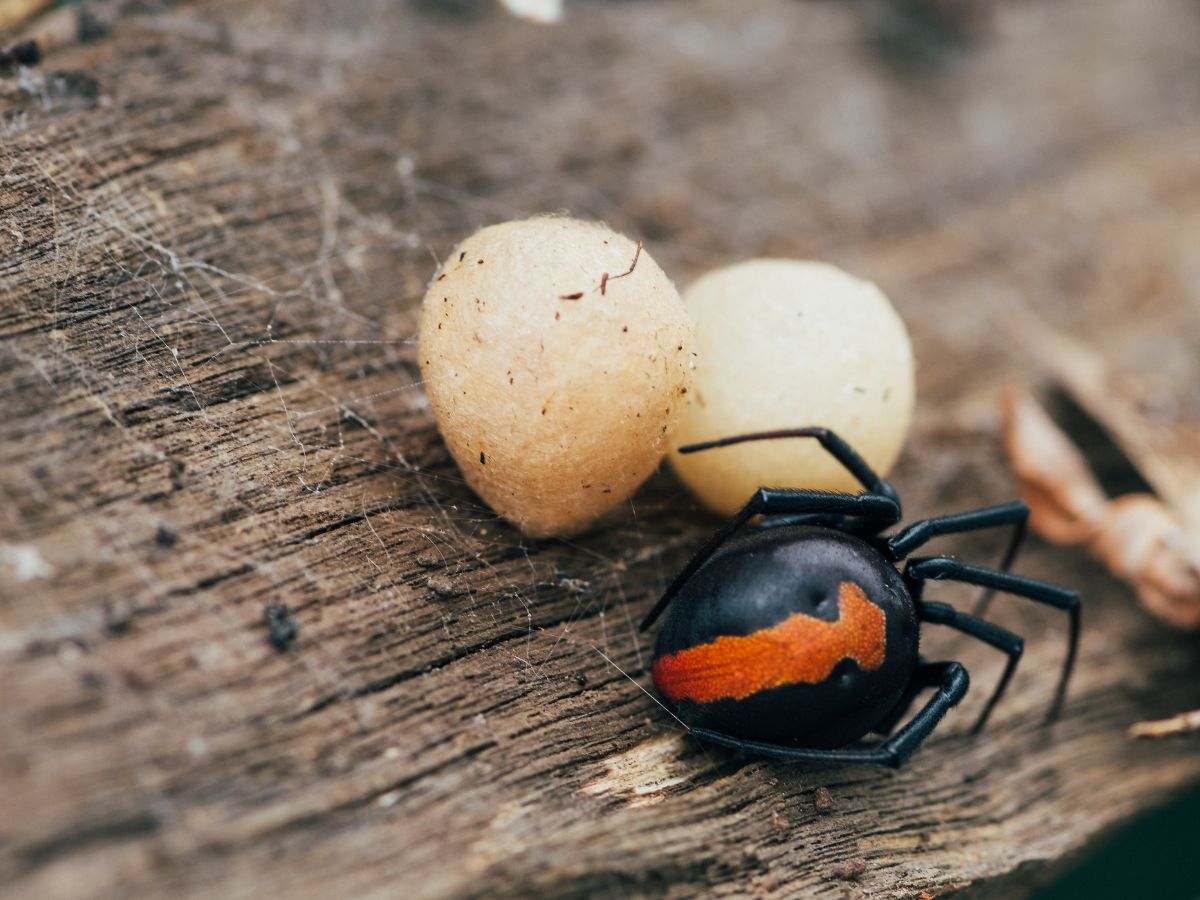
Redback Spiders
Easily recognised by the red stripe on their abdomen, redbacks build messy webs in sheltered outdoor spaces like sheds, meter boxes, and eaves. Their venom is medically significant, so caution is needed.
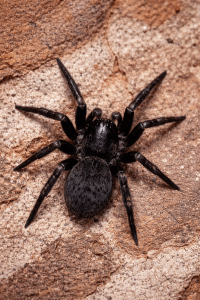
Black House spiders
These spiders construct dense, tangled webs around windows, cornices, and sheltered corners. Bites are rare but can cause localised pain.

Funnelweb Spider
Sydney and Southern tree-dwelling funnel-web spiders inhabit cool, damp environments such as gardens, under debris, and shaded outdoor areas. They are highly venomous and should never be handled.
Learn More
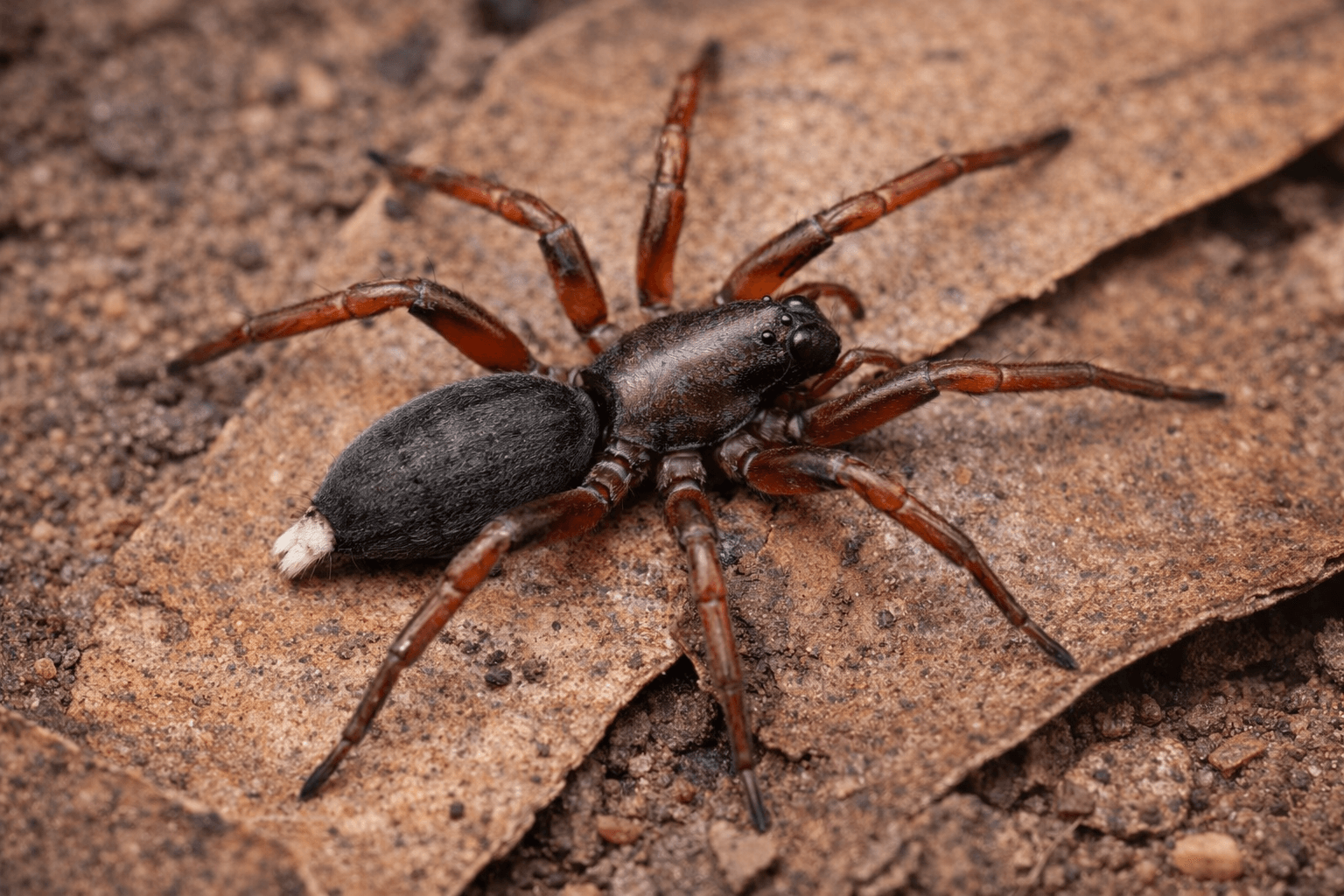
White-tailed Spider
Nocturnal hunters that roam in search of prey, white-tailed spiders are often found indoors in bedding, clothing, and storage areas.
Learn More

Orb-weaving Spiders
Also known as garden orb weavers, these spiders create classic circular webs in gardens and outdoor spaces. They are generally harmless but their webs can become a nuisance.
Learn More
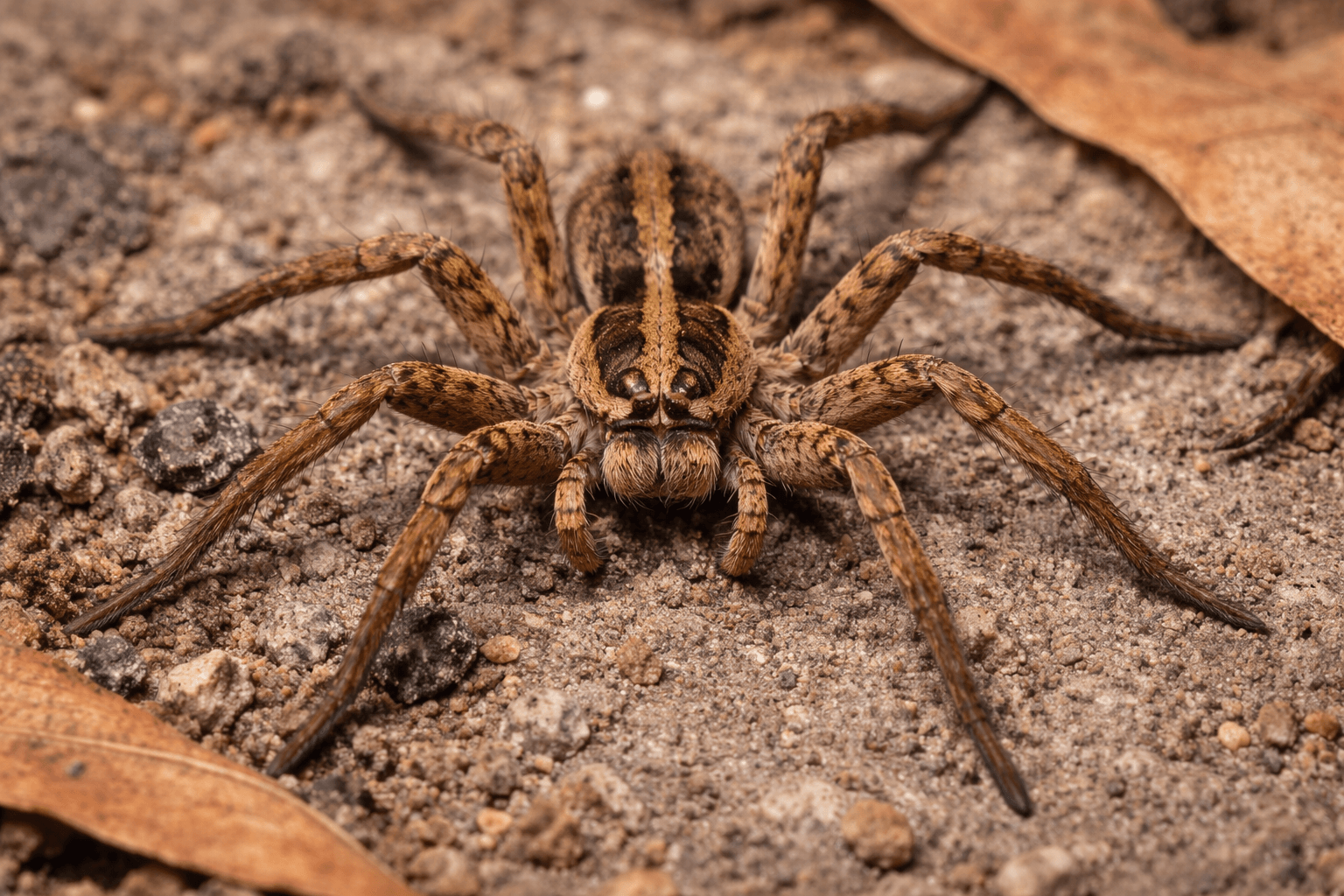
Wolf Spider
Ground-dwelling hunters that do not build webs. Wolf spiders are often found in lawns, gardens, and under mulch or debris, and may wander indoors.
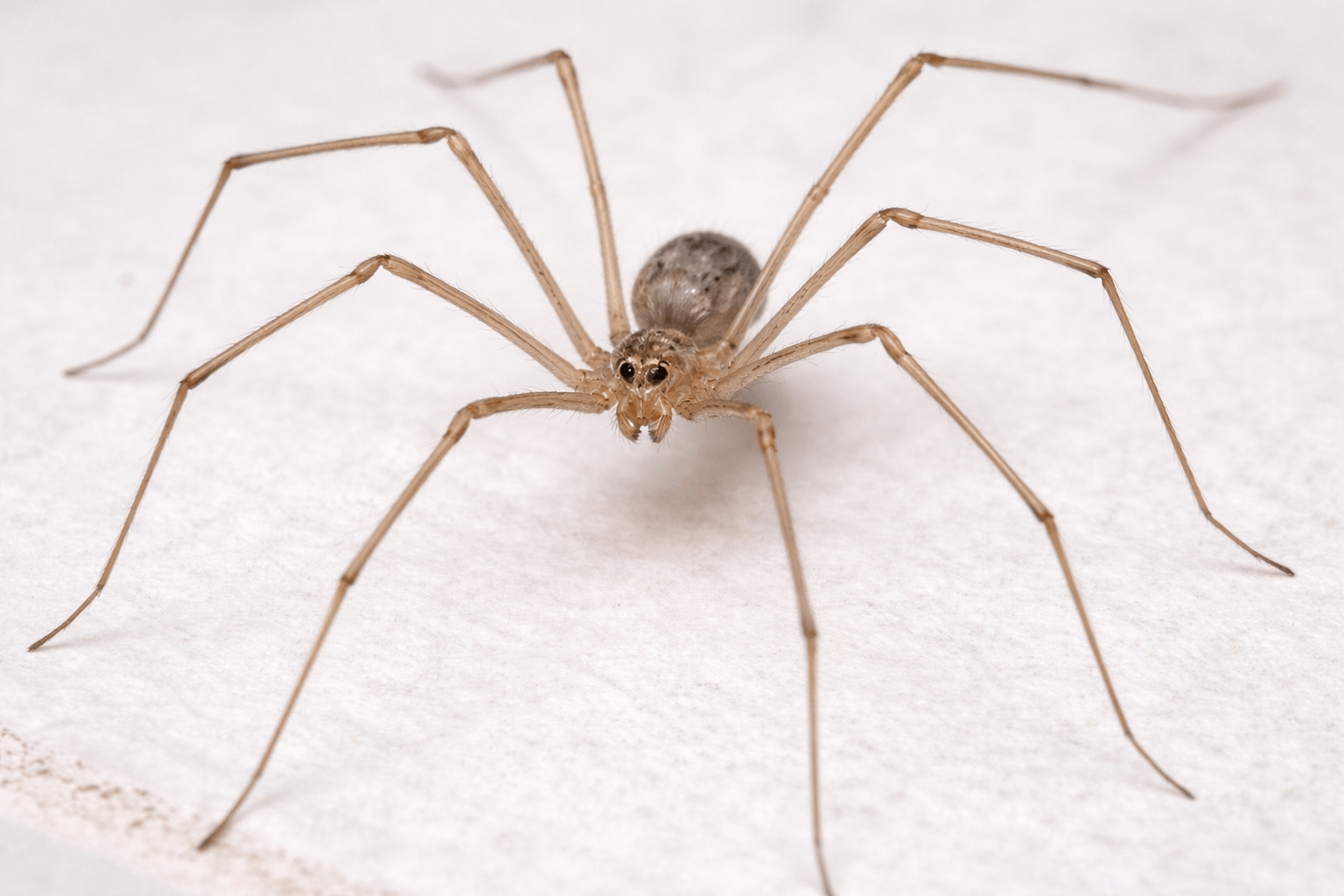
Daddy long-legs spiders
Very common inside homes, especially in ceilings and corners. These spiders are harmless and help reduce other insect populations.
For a more detailed overview of spiders, read our guide 8 common spiders on the Central Coast.
Are Spiders Dangerous?
Most spiders are not aggressive and will only bite if threatened. However, some species found in New South Wales have venom that can cause significant reactions, and funnel-web spiders are considered dangerous.
All suspected bites by any funnel-web spider should be regarded as potentially dangerous and treated accordingly. While Atrax robustus (the Sydney funnel-web spider) is the most well-known species, several other funnel-web species have been sporadically involved in life-threatening envenomations.
It’s also important to note that any spider bite has the potential to cause serious issues if a person is allergic to spider venom, even from species that are generally considered low risk.
Spider bites may lead to:
- Pain, redness, or swelling
- Nausea, sweating, or muscle cramps
- Allergic reactions, including more severe symptoms
- Serious medical complications requiring urgent medical attention (rare, but possible)
Homes with young children, pets, elderly residents, or individuals with known allergies should take extra precautions, particularly if spiders are nesting in gardens, sheds, bathrooms, or under outdoor furniture.
If you’re unsure what type of spider you’re dealing with, or spider activity is increasing around your property, professional spider control is the safest way to reduce risk.

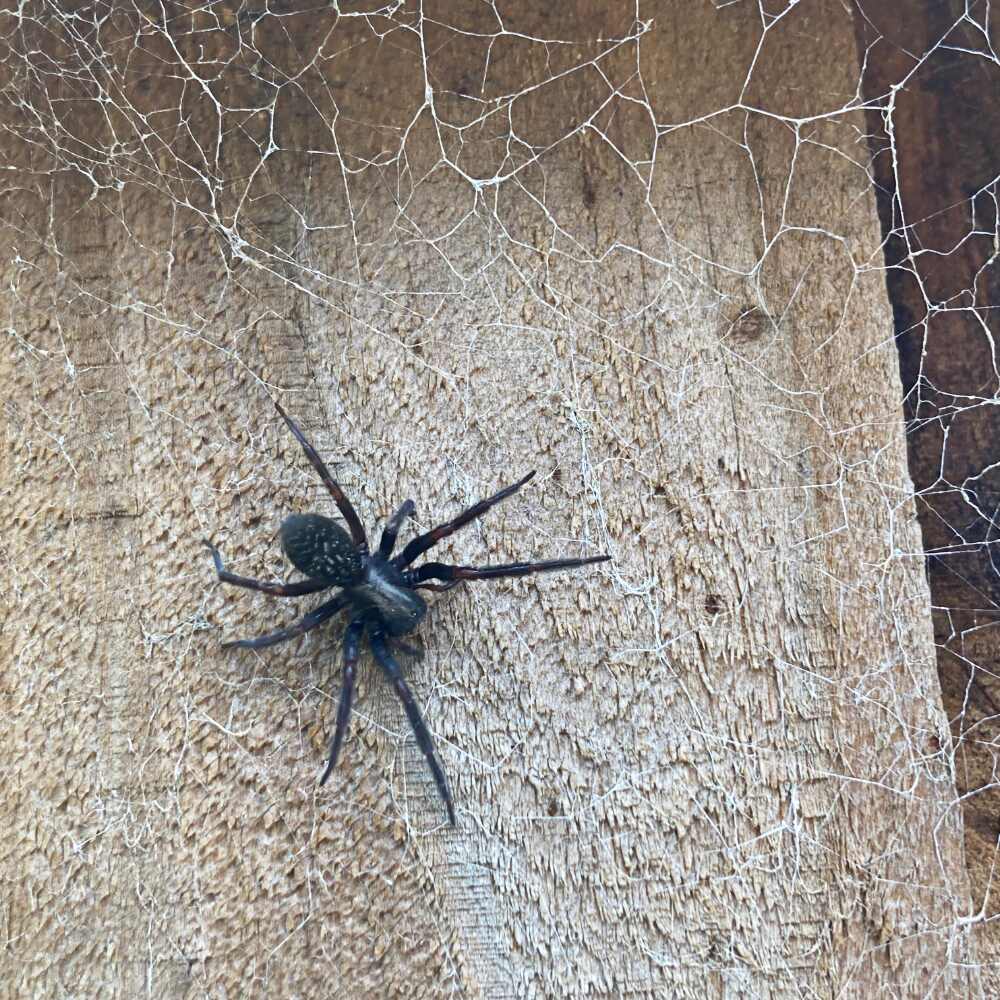
Signs of a Spider Problem
Spiders are often present long before they’re noticed, as many species prefer quiet, undisturbed areas and are most active at night. Over time, populations can increase without being immediately obvious.
Common signs of spider activity include:
- Frequent spider sightings indoors or outdoors, particularly in garages, sheds, and bathrooms
- Webs forming in corners, ceilings, eaves, window frames, and around outdoor furniture
- Egg sacs attached to webs or hidden on sheltered surfaces
- Increased insect activity, which attracts spiders and supports ongoing nesting
If spiders continue to appear despite regular cleaning or DIY treatments, it usually indicates underlying harbourage areas, entry points, or a steady food source. In these cases, professional assessment is often needed to address the cause of the problem rather than just the visible spiders.
Preventing Spiders Around Your Home
While professional treatment is the most effective solution for long-term spider control, there are practical steps you can take to reduce spider activity around your home and outdoor areas.
You can help discourage spiders by:
- Reducing clutter in garages, sheds, roof voids, and storage areas where spiders like to hide
- Keeping gardens trimmed and vegetation clear of walls, windows, and entry points
- Removing webs regularly, especially around doors, windows, eaves, and outdoor furniture
- Sealing cracks and gaps around doors, windows, vents, and utility entry points
- Limiting outdoor lighting near entrances, as lights attract insects that spiders feed on
It’s also helpful to reduce moisture around the home by fixing leaks, improving drainage, and keeping outdoor areas clean and tidy. This removes the conditions that many spiders prefer and limits their ability to establish nesting areas.
While these measures can reduce spider numbers, they won’t always prevent spiders from returning, particularly in properties close to bushland or during warmer months. Recurrent or widespread spider activity is best managed through professional pest control, which targets both spiders and the insects that attract them in the first place.
Spider Control Central Coast
If spiders are becoming a regular problem in your home or yard, Coastwide Pest Control can help. We provide reliable spider control services across the Central Coast, tailored to local conditions and seasonal activity.
📞 Contact our team today to book a spider inspection or treatment and enjoy a safer, more comfortable home.